Construction Porta Potty Rental
Keep your crew productive and your job site compliant with portable toilets sized to your workforce, serviced on a schedule that matches how hard they get used.
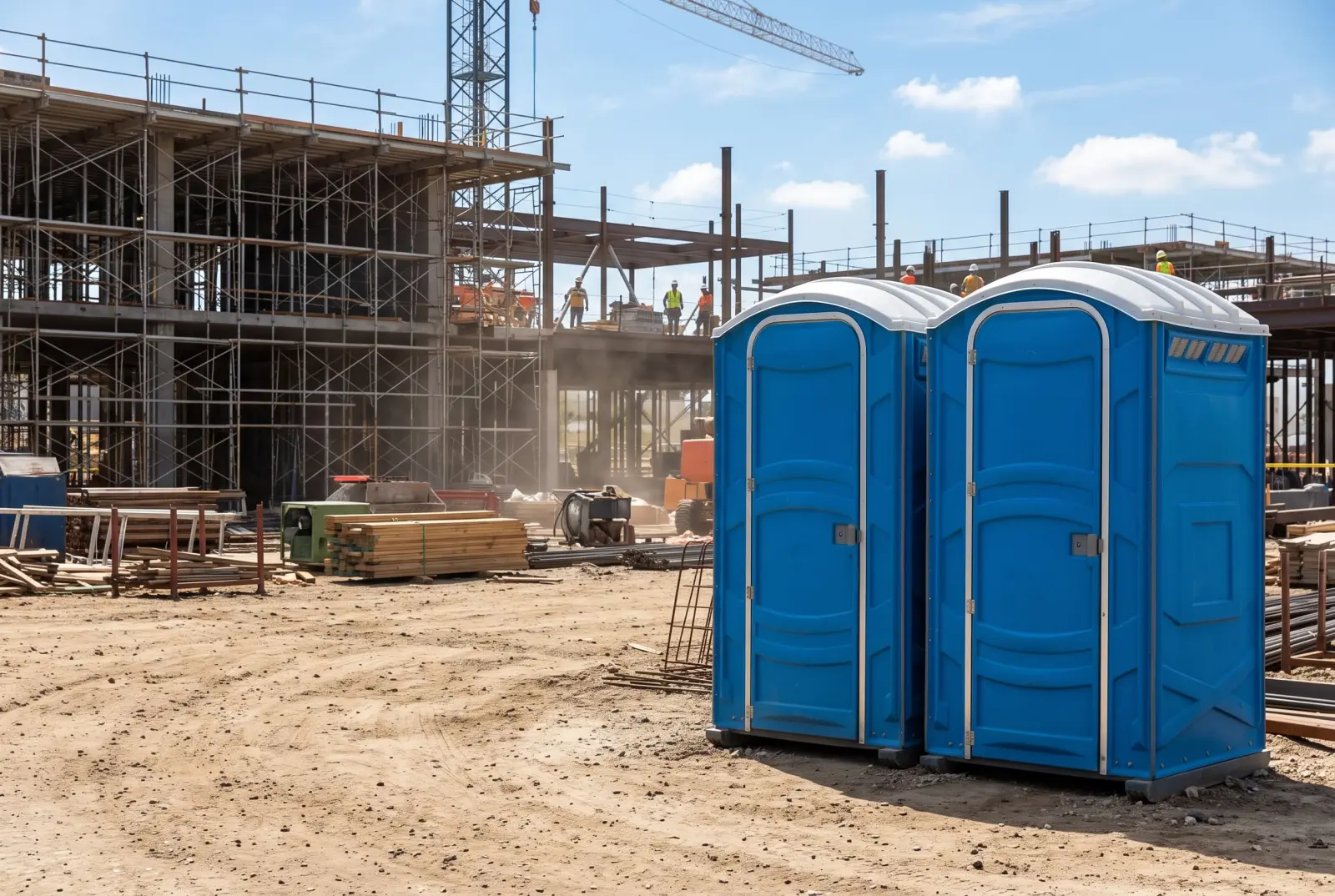
What Construction Porta Potty Rental Covers
Job-site restroom rental is built around one problem: keeping enough working units on-site, in the right spot, for as long as the project runs. That typically means:
- Unit counts based on crew size, shift length, and project duration
- Standard portable toilets as the default unit for most active job sites
- Weekly (or more frequent) pumping, restocking, and cleaning
- Coordination for multiple units across large or multi-phase sites
- Placement planning around equipment, material staging, and site access
- Month-to-month billing for projects that run longer than a few weeks — see long-term rentals
How Many Units Does a Job Site Need?
A commonly cited baseline is OSHA's general sanitation guidance of roughly one toilet per 20 workers on a standard 40-hour work week. In practice, many rental providers recommend planning closer to one unit per 10–20 workers instead of the bare minimum, since it noticeably cuts down on wait times and unit overuse — especially once shifts run longer, crews overlap, or weekend work is added. Confirm the exact requirement that applies to your project with your site safety officer or local jurisdiction, since specific thresholds can vary.
For sites with 50+ workers, spreading units across multiple points on the property — rather than clustering them all in one spot — usually cuts down on walk time and evens out wear on each unit.
Weekly Servicing, Built Around Your Schedule
Most construction rentals run on a standard weekly service visit: pumping, fresh supplies, and a cleaning pass. High-crew-count sites, sites running two shifts, or sites in hot weather often move to a twice-weekly cadence instead. Let your provider know your crew size and schedule up front so servicing keeps pace with actual use — see how it works for how delivery and servicing get scheduled.
Placement on an Active Site
Units need to sit close enough to the work zone that a trip doesn't eat into productive time, but out of the way of forklifts, delivery trucks, crane swing radius, and material laydown areas. They also need a clear path for the service truck to reach them on pumping day throughout the project. Our placement guide covers ground conditions, clearance, and access requirements in more detail.
Pricing Factors
Construction rental pricing is generally driven by unit type, unit count, servicing frequency, and rental duration, plus any delivery distance to remote sites. See our pricing guide for a full breakdown of what shapes a quote.
Construction Rental FAQs
How many portable toilets does a construction site need?
OSHA's general sanitation guidance suggests roughly one toilet per 20 workers, though many rental providers recommend closer to one unit per 10 workers for shorter wait times. Confirm the exact requirement for your project with your site safety officer, and add units as crew size or shift length increases.
How often are job-site units serviced?
Weekly servicing is standard for most construction rentals, which includes pumping, restocking supplies, and cleaning. Larger crews or higher-use sites can move to a twice-weekly schedule if needed.
Where should units be placed on an active job site?
Units should sit close enough to the active work zone that workers can reach them quickly, but clear of equipment travel paths, material staging areas, and any path a service truck will need during the rental period.