Porta Potty Placement & Servicing Guide
Where a unit sits and how it's serviced affects everything from guest experience to whether your delivery truck can even reach the spot. Here's a general guide, though exact requirements vary by provider and local rules.
Placement Guide
Good Placement vs. Placement to Avoid
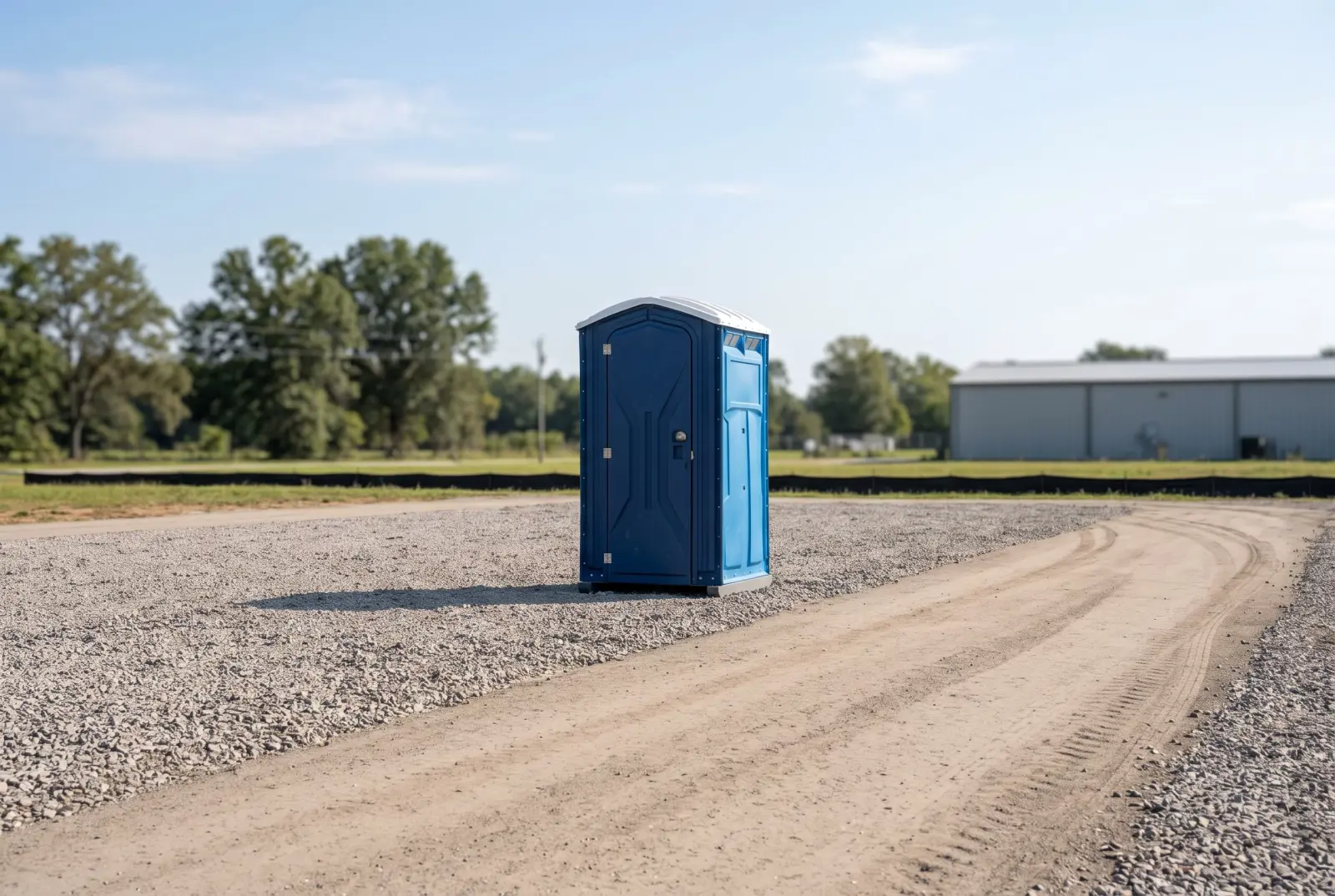
Good Placement
- Flat, level, stable ground (grass, gravel, or pavement)
- A clear, wide path for the delivery and service truck
- A short walk from the main event or work area
- Some shade in hot climates, where available
- Away from doors, windows, and outdoor seating or food service
- Accessible route for ADA units per accessibility guidelines
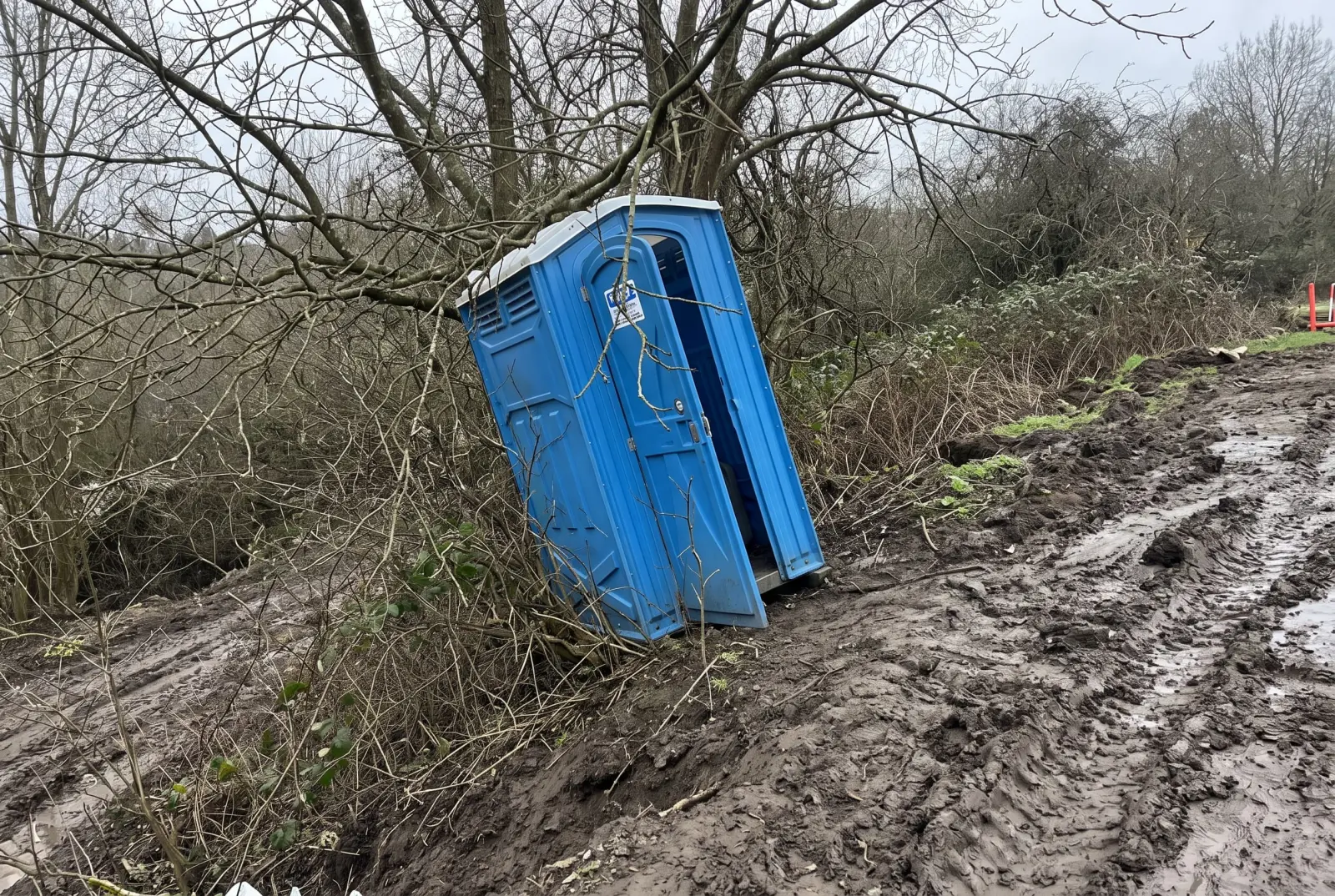
Placement to Avoid
- Steep slopes or soft, muddy ground
- Directly over storm drains, septic fields, or wellheads
- Blocking fire lanes, hydrants, or emergency exits
- Under low tree branches or power lines that block the truck's crane or lift
- Spots a service truck can't reach for the full rental period
- Directly adjacent to a water source without provider sign-off
Rules vary by provider and local health code. Some municipalities set minimum distances from wells, waterways, or food service areas. When in doubt, ask your provider before finalizing a placement spot. See our pricing guide for how site access can affect delivery cost.
How Servicing Works
For a single-day or weekend event, most units don't need mid-event servicing — they're delivered clean and stocked, then picked up when the event ends. For multi-day events, job sites, and long-term rentals, a service technician returns on a set schedule (often weekly) to pump waste tanks, restock toilet paper and hand sanitizer, and clean the unit. Higher-traffic sites — large crews, food festivals, or high guest counts — may need more frequent visits to stay ahead of usage.
Special Cases
Winter rentals. Cold weather can affect waste tank chemicals and, in freezing conditions, plumbing in flushable or trailer units. Ask your provider about winterized units or heating options if you're renting in a cold climate during winter months.
Events near water or wells. Many local health codes set a minimum setback distance between a portable toilet and a well, waterway, or floodplain. Confirm placement distance requirements with your provider or municipality, especially for rural or waterfront events.
ADA-accessible requirements. Public events generally need at least one ADA-accessible unit, positioned on an accessible route with adequate turning space in front of the door. See our ADA rental guide for specifics.
High-use events. Concerts, festivals, and events serving alcohol see higher per-guest usage than a typical private party. Planning for extra units and, if possible, an added servicing visit helps avoid units becoming unusable partway through the event.